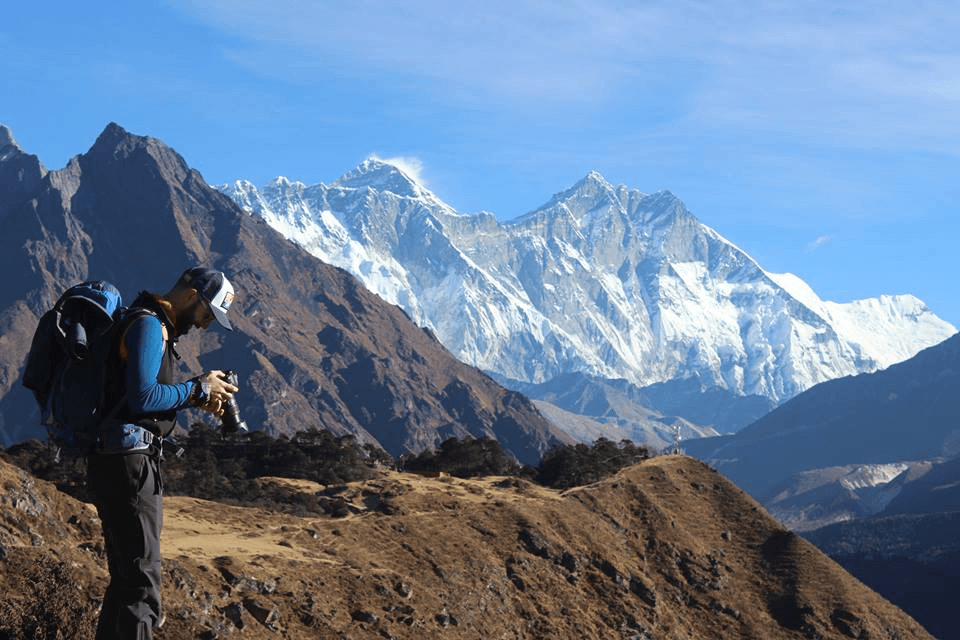
Best Time to Visit Nepal?
Your complete seasonal guide — find your ideal travel window for trekking, festivals, wildlife & more.
1. Overview — Nepal's Four Seasons
Nepal is a land of extraordinary diversity — from the steamy Terai jungles to the frozen peaks of the Himalayas. The country experiences four distinct seasons, each offering a unique flavour of adventure, culture, and natural beauty.
The best time to visit Nepal largely depends on what you want to do. Trekkers flock during the crisp, clear days of autumn (September–November) and spring (March–May). Wildlife enthusiasts prefer the dry months, while cultural travellers enjoy the vibrant festival seasons.
Below, we break down each season in detail — including weather patterns, pros and cons, and the best activities for each period.
2. Spring (March – May) — Blooming Beauty
Spring is one of Nepal's most spectacular seasons. As winter snows melt, the hillsides erupt in a riot of colour — rhododendrons (Nepal's national flower) blanket the lower Himalayan slopes in shades of red, pink, and white.
Weather
Warm and pleasant. Daytime temperatures range from 15–25°C (60–77°F) in the valleys, while higher altitudes remain cool.
Why go
Stunning rhododendron blooms, excellent trekking conditions, vibrant festivals like Holi and Nepali New Year.
What to do in Spring
- Trekking: Annapurna Base Camp, Everest Base Camp, Langtang Valley — all are at their best with clear views and comfortable temperatures.
- Rhododendron Treks: The Ghorepani–Poon Hill trek is particularly magical as the forests burst into bloom.
- Festivals: Holi (March) — the festival of colours — and Nepali New Year (mid-April) are celebrated with great enthusiasm.
3. Summer / Monsoon (June – August) — The Green Season
Monsoon transforms Nepal into a lush, emerald paradise. The rains bring life to the countryside, but they also obscure mountain views and make trekking challenging. However, this is the best time for wildlife and cultural exploration in the rain-shadow regions.
Weather
Warm and humid with heavy rainfall, especially in the afternoons. Temperatures average 20–30°C (68–86°F) in the lowlands.
Why go
Lush green landscapes, fewer tourists, excellent birdwatching, and the Janai Purnima and Gai Jatra festivals.
What to do in Monsoon
- Wildlife Safaris: Chitwan and Bardia National Parks are at their lushest, and animals are easier to spot as they gather around water sources.
- Rain-Shadow Treks: Upper Mustang, Dolpo, and Manang lie in the rain shadow of the Annapurna and Dhaulagiri ranges — they receive far less rain and remain accessible.
- Cultural Tours: Explore Kathmandu's temples, Patan's palaces, and Bhaktapur's medieval squares without the crowds.
4. Autumn (September – November) — The Golden Season
Autumn is widely considered the best time to visit Nepal. The monsoon rains have cleared the air, leaving behind crystal-clear skies, crisp temperatures, and the most spectacular mountain views of the year. The Himalayas seem to glow in the autumn light — it's a photographer's dream.
Weather
Clear, dry, and comfortable. Daytime temperatures range from 15–25°C (60–77°F), with chilly nights at higher elevations.
Why go
Unmatched mountain visibility, ideal trekking conditions, and the grand Dashain and Tihar festivals.
What to do in Autumn
- Trekking: This is the peak trekking season — Everest Base Camp, Annapurna Circuit, Langtang, and every other major trail is at its absolute finest.
- Mountain Flights: Take a scenic flight over Everest or the Annapurnas for unbeatable aerial views.
- Festivals: Dashain (September/October) — Nepal's biggest festival — and Tihar (October/November) — the festival of lights — are celebrated with joy and colour across the country.
“Autumn in Nepal is like nowhere else on earth. The mountains are so clear you feel you could reach out and touch them.”
5. Winter (December – February) — Crisp & Quiet
Winter brings cold, clear days and chilly nights. While trekking at high altitudes becomes challenging (and some passes close), the lower elevations and mid-altitude treks remain accessible — and wonderfully quiet.
Weather
Cold and dry, with clear skies. Daytime temperatures hover around 10–18°C (50–65°F) in the valleys, while nights can drop below freezing.
Why go
Peaceful trails, fewer tourists, excellent mountain views, and the Sonam Lhosar (Tibetan New Year) celebration.
What to do in Winter
- Lower-Altitude Treks: Poon Hill, Ghorepani, and the Kathmandu Valley rim treks are pleasant and less crowded.
- Cultural Exploration: Spend time in Kathmandu, Patan, and Bhaktapur — the winter sun makes exploring the ancient squares a delight.
- Birdwatching: Winter is a great time for birdwatching, especially in Chitwan and Koshi Tappu, as migratory birds arrive from Siberia and Central Asia.
6. Month-by-Month Breakdown
Here's a quick snapshot of what each month offers, so you can pinpoint the perfect time for your trip.
7. Activities by Season
Different activities shine in different seasons. Here's a quick guide to help you match your interests with the right time of year.
- Trekking: Best: Autumn (Sep–Nov) & Spring (Mar–May). Good: Winter (lower routes). Avoid: Monsoon (Jun–Aug) for most high-altitude treks.
- Wildlife Safaris: Best: Winter (Dec–Feb) & Spring (Mar–May) — animals are active and vegetation is less dense.
- Mountain Flights: Best: Autumn (Sep–Nov) & Winter (Dec–Feb) — crystal-clear skies.
- Cultural Tours: Best: Any season — but autumn and spring offer the most pleasant weather for exploring temple cities.
- White-Water Rafting: Best: Autumn (Sep–Nov) & Spring (Mar–May) — optimal water levels and weather.
- Paragliding: Best: Autumn (Sep–Nov) & Winter (Dec–Feb) — stable thermals and clear views.
8. Major Festivals Calendar
Nepal is a country of festivals — almost every month brings a celebration. Here are the most important ones to plan your trip around.
- Holi (March) — The festival of colours, celebrated with water, powder, and immense joy throughout the country.
- Nepali New Year (mid-April) — Celebrated with feasts, processions, and the Bisket Jatra in Bhaktapur.
- Janai Purnima (August) — Sacred thread festival, with pilgrims flocking to Gosainkunda Lake.
- Gai Jatra (August) — The "cow festival" — a colourful procession commemorating the departed.
- Dashain (September/October) — Nepal's biggest and most important festival, celebrating the victory of good over evil. Lasts 10 days.
- Tihar (October/November) — The festival of lights, honouring Laxmi (goddess of wealth) with lamps, candles, and colourful rangoli.
- Sonam Lhosar (February) — Tibetan New Year, celebrated with vibrant dances and feasts in the Kathmandu Valley.
❓ Frequently Asked Questions
What is the absolute best time to visit Nepal?
For most travellers, the best time is autumn (October–November) and spring (March–April). These months offer clear skies, comfortable temperatures, and excellent trekking conditions.
Can I visit Nepal during the monsoon?
Yes, but trekking at high altitudes is challenging due to rain and landslides. However, the monsoon is excellent for wildlife safaris, rain-shadow treks like Mustang, and cultural exploration with fewer crowds.
Is winter a good time to trek in Nepal?
Winter is good for lower-altitude treks like Poon Hill and Ghorepani. High-altitude treks (Everest Base Camp, Annapurna Circuit) are very cold and some passes may be closed, but the views are spectacular.
When is the best time for Everest Base Camp trek?
The best times are autumn (October–November) and spring (March–May). Both offer clear skies, stable weather, and comfortable temperatures. Autumn is slightly more popular.
What festivals are celebrated in Nepal?
Nepal celebrates many festivals year-round. Major ones include Dashain (Sept/Oct), Tihar (Oct/Nov), Holi (March), Nepali New Year (April), and Sonam Lhosar (Feb). Each offers unique cultural experiences.
Is Nepal crowded during peak season?
Yes, autumn (Oct–Nov) is the peak season and popular trekking routes can be busy. Spring (Mar–May) is also busy but slightly less so. If you prefer solitude, consider winter (Dec–Feb) or early autumn.
© 2026 · Best Time to Visit Nepal — a comprehensive guide by Beyul Treks & Tours
All information is for general guidance. Weather patterns may vary. Always check current conditions before planning your trip.