Ultimate Guide to Nepali Souvenirs
From the legendary Khukuri to the sacred singing bowls — discover Nepal's most cherished handcrafted treasures to take home.
1. Cashmere (Pashmina)
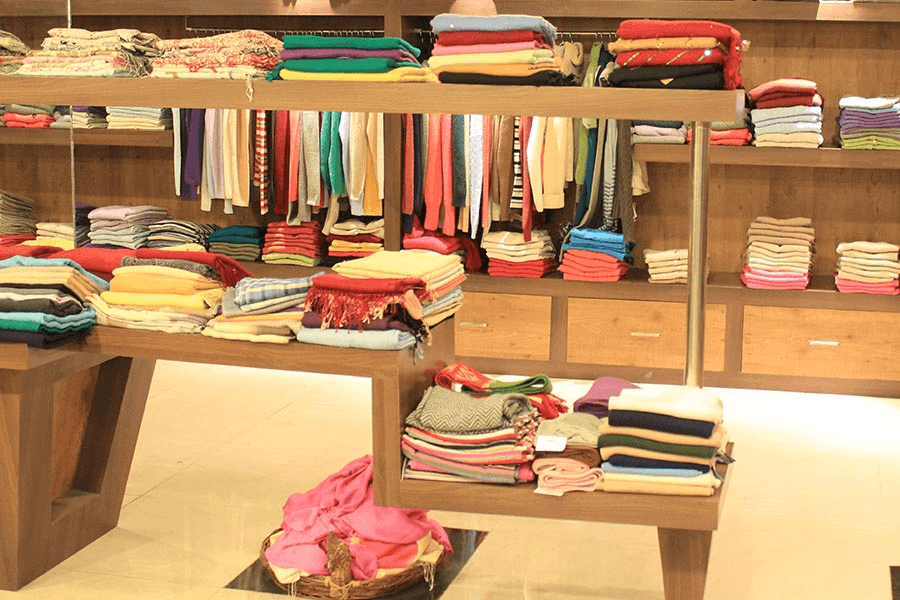
Pashmina is the pinnacle of Himalayan luxury — one of the softest, finest, and most delicate natural fibres in the world. It is harvested from the inner fleece of the Chyangra mountain goat, which thrives at altitudes above 3,000 metres in the Nepalese Himalayas. Historically treasured as the “fibre of emperors and kings”, Pashmina is celebrated for its incredible warmth, lightweight feel, and subtle sheen.
Nepal produces some of the world's finest Pashmina products, including:
- Sumptuous shawls & stoles
- Cozy blankets & throws
- Elegant scarves & wraps
- Luxurious sweaters & cardigans
2. Dhaka Products
Dhaka is Nepal's iconic handwoven cotton textile, instantly recognisable by its intricate geometric patterns and vibrant, earthy colours. The fabric is produced on traditional pit-looms, with each piece reflecting generations of Nepali weaving mastery.
The Dhaka Topi (brimless cap) has become a national symbol, worn with pride on formal occasions and especially by grooms during traditional Nepali weddings. Beyond the topi, Dhaka is also crafted into:
- Elegant sarees and dress materials
- Men's & women's traditional wedding attire
- Contemporary handbags, wallets, and accessories
Each Dhaka pattern carries a unique cultural story, and the weaving process itself is a mesmerising art form that has been passed down through families for centuries.
3. Handicraft & Masks
Nepal's handicraft tradition is as old as its civilisation. From the ornate metalwork of Patan to the intricate woodcarving of Bhaktapur, Nepali artisans produce works of art that are coveted worldwide. The country's handicraft sector is a major revenue generator, and each piece is a testament to the artist's skill and devotion.
The most sought-after handicraft categories include:
- Brass and copper statues of Hindu and Buddhist deities
- Handblown glass and crystal artefacts
- Traditional incense holders and essential oil burners
- Stone carvings and woodcraft (including intricate window frames)
- Decorative wall hangings and woven tapestries
You can witness this craftsmanship first-hand in the medieval squares of Patan, Bhaktapur, and Basantapur (Kathmandu Durbar Square), where artisan stalls line the ancient cobblestone streets.
Traditional Nepali Masks
Nepali masks are divided into two distinct categories:
- Tribal masks — deeply rooted in the shamanic traditions of Nepal's ethnic groups, often used in healing rituals and harvest festivals.
- Classical masks — depicting Hindu gods (like Bhairab and Ganesh) and Buddhist deities (like Mahakala), used in temple processions and as protective amulets for homes.
These masks are not merely decorative; they are believed to carry spiritual energy and are revered as sacred objects.
4. Herbal Products & Tea
Nepali Himalayan Tea
Grown in the pristine foothills of the eastern Himalayas (especially Ilam and Dhankuta), Nepali tea is a well-kept secret among connoisseurs. The high-altitude, organic plantations produce tea with a distinctive muscatel flavour and a golden, bright liquor. Popular varieties include:
- Oolong — semi-oxidised, with floral and fruity notes
- Black tea — robust, malty, and full-bodied
- Green tea — fresh, grassy, and packed with antioxidants
- White tea — delicate, subtly sweet, and the least processed
Organic Honey
Nepal's organic honey gained global fame after the “Honey Hunter” documentary featured the daring cliff-side harvests of the Gurung community. Today, you can find a variety of organic honeys — from multi-floral forest honey to the rare, mildly hallucinogenic rhododendron honey (used sparingly in traditional medicine).
Herbal Soaps, Oils & Incense
The Nepal's rich biodiversity fuels a thriving herbal wellness industry. Popular items include:
- Herbal soaps infused with neem, aloe vera, and turmeric
- Pure essential oils (sandalwood, juniper, lavender, and lemongrass)
- Traditional herbal incense sticks for meditation and purification
- Herbal pillows filled with buckwheat and aromatic herbs for restful sleep
Yarsagumba (The Himalayan Gold)
Yarsagumba (Ophiocordyceps sinensis) is a rare and precious entomopathogenic fungus that grows at altitudes above 3,500 metres. It is one of the most expensive medicinal materials in the world, traditionally used to:
- Boost stamina, vitality, and athletic performance
- Strengthen the kidneys and lungs
- Alleviate chronic headaches, backaches, and fatigue
- Enhance libido (earning it the nickname “Himalayan Viagra”)
5. Thangka Painting
A Thangka is a sacred Buddhist painting on cotton or silk, typically depicting a deity, mandala, or scene from the life of Buddha. What sets a Thangka apart is its adherence to strict iconographic proportions and the use of vibrant, natural mineral pigments mixed with gum arabic.
Thangkas serve multiple purposes in Buddhist practice:
- Meditation focus — helping practitioners visualise the deity
- Teaching tools — illustrating Buddhist cosmology and philosophies
- Spiritual centrepieces — placed in homes, monasteries, and shrines for blessings
A high-quality Thangka can take several weeks to more than a year to complete, depending on the level of detail and use of gold leaf. The earliest surviving Nepali Thangkas date back to the 14th century, showcasing a tradition that has thrived for over 700 years.
6. Singing Bowls
The singing bowl (or Himalayan bowl) is a timeless tool for meditation, sound therapy, and spiritual healing. When struck or circled with a wooden or leather mallet, it produces a rich, overtonal sound that resonates with the body's energy centres (chakras).
Traditional singing bowls are crafted from ashtadhatu — an alloy of seven or eight sacred metals, including gold, silver, copper, iron, and tin. The specific blend determines the bowl's tonal quality and durability. Their therapeutic benefits are believed to:
- Induce a profound state of relaxation and calm
- Reduce anxiety, stress, and insomnia
- Balance and align the chakras
- Enhance meditation and mindfulness practices
7. Khukuri (Nepali Knife)
The Khukuri is the iconic national knife of Nepal — a curved, forward-angled blade that has become synonymous with the bravery of the Gurkha soldiers. For centuries, it has served as a multipurpose tool for chopping, carving, and as a formidable weapon in close combat.
Beyond its utility, the Khukuri holds deep cultural significance:
- It is often presented as a token of respect, love, and lifelong friendship.
- It is a staple centrepiece in Nepali homes, symbolising protection and strength.
- Different sizes and styles exist — from service models to ornate ceremonial pieces.
8. Jewelry & Ornaments (Silver & Gold)
Nepali silver jewellery is a hallmark of the Newar and Sunuwar communities, who have been master smiths for centuries. Their work is distinguished by exquisite filigree, granulation, and the incorporation of semi-precious stones like turquoise, coral, and lapis lazuli.
You can choose from:
- Pure silver (99.9%) — traditional pieces often used in religious ceremonies
- Sterling silver (92.5%) — durable, versatile, and perfect for daily wear
Must-buy items for jewellery lovers include:
- Intricate necklaces and pendants with Buddhist or Hindu iconography
- Dangling earrings and stackable bracelets
- Rings set with locally sourced gemstones
- Traditional tikka (forehead ornaments) and waist belts
Nepali silver jewellery is not only affordable but also carries a distinct Himalayan aesthetic that is both timeless and contemporary.
9. Music & Buddhist Chants
Music is one of the most immersive souvenirs — it captures the soul of a place. In Nepal, two melodies define the spiritual and cultural landscape for most visitors:
- Om Mani Padme Hum — the six-syllable mantra of compassion, chanted by Buddhists across the Himalayas. You will hear it resonating from monasteries, prayer wheels, and mani stones.
- Resham Firiri — the cheerful, addictive Nepali folk tune that has become the unofficial anthem for trekkers. It is often played on the madal (drum) and flute in tea houses and villages.
You can bring these sounds home through:
- High-quality recordings of monastic chants and folk music (available on USB or CD)
- Traditional instruments like the madal or bamboo flute (perfect for display or learning)
- Miniature prayer wheels that produce a soft chime when spun
Each time you listen, you'll be transported back to the misty hills and ancient temples of Nepal.
10. Lokta Paper
Lokta paper is an eco-friendly, handcrafted paper made from the bark of the Daphne bholua shrub, which grows wild at elevations between 1,500 and 3,500 metres. The bark is harvested sustainably — it regenerates every 5–7 years — making Lokta one of the most environmentally responsible papers in the world.
This paper is deeply intertwined with women's empowerment in Nepal. Many rural women are employed in the cottage industry that produces Lokta paper, providing them with a vital source of income and economic independence.
Lokta paper is remarkably durable and naturally insect-resistant, making it ideal for:
- Prayer flags and Buddhist scriptures (it withstands wind and rain)
- Government documentation and archival records
- Hand-bound journals, sketchbooks, and diaries
- Calendars, gift wrap, and handmade greeting cards
11. Prayer Wheel (Mani Wheel)
Tibetan prayer wheels, locally known as Mani wheels, are cylindrical devices filled with tightly wound rolls of paper inscribed with the sacred mantra:
“Om Mani Padme Hum”
According to Buddhist belief, spinning the wheel clockwise — even once — generates the same spiritual merit as reciting all the mantras inside it. This practice invokes the compassionate blessings of Chenrezig (Avalokiteshvara), the Bodhisattva of infinite compassion.
You will encounter Mani wheels along every major trekking route in Nepal, often powered by rushing streams or turned by devoted pilgrims. The most common keepsake is the hand-held wheel, which is:
- Compact and light, ideal for carrying in your bag
- Beautifully crafted from brass, copper, or wood, often with turquoise inlays
- A profound symbol of peace, mindfulness, and the impermanence of time
🎁 More Souvenir Ideas
Nepal's marketplaces are treasure troves. Here are a few more unique items to look out for:
- Nepali T-shirts — featuring bold Himalayan motifs, flag designs, and witty trekking slogans.
- Hand-painted Mugs — vintage-style ceramics with traditional Newari art.
- Miniature Stupas & Fridge Magnets — perfect for keeping the spirit of the Himalayas in your kitchen.
- Buddhist Prayer Beads (Malas) — made from sandalwood, bodhi seed, or yak bone, used for counting mantra recitations.
Where to shop: The best places to find authentic souvenirs are the UNESCO World Heritage sites of Kathmandu — especially Thamel, Patan Durbar Square, Bhaktapur, and the streets around Swayambhunath (Monkey Temple).
❓ Frequently Asked Questions
What is the most iconic souvenir to buy in Nepal?
The Khukuri knife and Pashmina shawl are the most iconic. For spiritual seekers, Thangka paintings and singing bowls are also top choices.
How can I tell if a Pashmina is genuine?
Genuine Pashmina is incredibly soft, lightweight, and warm. You can do a burn test — pure wool smells like burnt hair and turns to ash, while synthetics melt and smell like plastic. Always buy from reputable, certified stores.
Are singing bowls from Nepal authentic?
Yes, many singing bowls sold in Nepal are authentic, hand-hammered from traditional metal alloys. However, be wary of mass-produced imitations. Look for uneven hammer marks and a rich, sustained sound when struck.
Can I take a Khukuri knife home with me?
Yes, you can, but you must check it in your luggage (never carry it on board). Be sure to comply with your country's import regulations regarding bladed weapons. Most shops in Nepal can assist with packaging for safe travel.
What is Lokta paper and why is it special?
Lokta paper is an eco-friendly, handmade paper from the bark of the Daphne shrub. It's special because it is sustainably harvested, naturally insect-repellent, and supports rural women's employment in Nepal.
Is it safe to buy Yarsagumba in Nepal?
It is safe if you buy from licensed, government-registered vendors. Due to its high value, the market is strictly regulated. Always ask for a certificate of authenticity and export documentation to avoid legal issues.
© 2026 · Ultimate Guide to Nepali Souvenirs — curated for travellers, collectors, and culture enthusiasts.
All information is for general guidance. Always verify authenticity and customs regulations before purchasing.