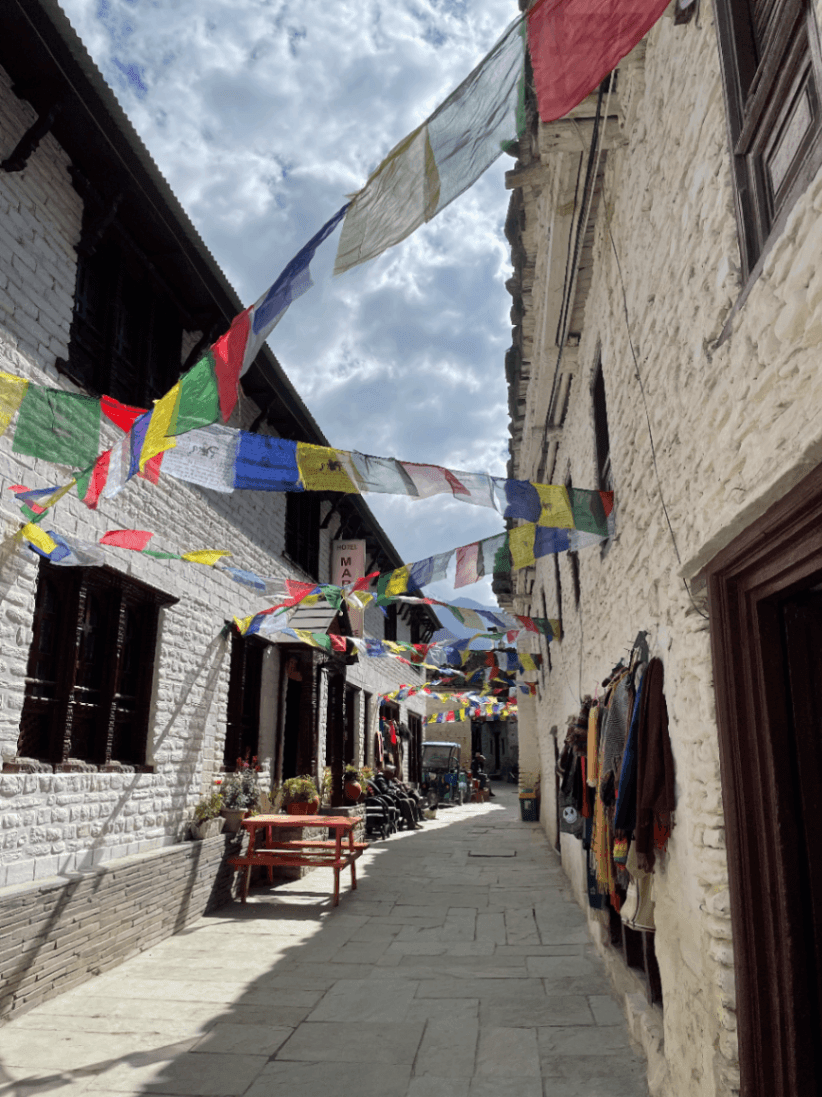
What to Expect from a Teahouse Trek in Nepal
Experience the Himalayas the Traditional Way
Nepal offers most authentic rustic Himalayan adventures. Following the traditional teahouse trekking style, the journey allows you to stay in locally owned mountain lodges while experiencing the warmth, hospitality, and culture of Himalayan communities.
Facilities along the trail are simple, but this is part of what makes the trekking in Nepal so special. As modern comforts become less important, the focus shifts to breathtaking landscapes, authentic cultural encounters, peaceful mountain villages, and meaningful connections with fellow travelers and local people.
Accommodation in Traditional Mountain Teahouses
Throughout the Trekking in Nepal, you will stay in family-run teahouses located in scenic mountain villages. These simple lodges provide a comfortable place to rest after a day of trekking.
Rooms typically include:
- Twin beds with mattresses, pillows, and blankets
- Clean sheets and basic furnishings
- Simple wooden interiors reflecting traditional local architecture
- Shared bathroom facilities in most higher-altitude villages
Attached bathrooms may be available in some lower-altitude villages, but facilities generally become more basic as you gain elevation. Despite the simplicity of the accommodation, the warm hospitality of local teahouse owners remains one of the highlights of the Nepal trek.
The Dining Hall: The Social Heart of the Teahouse
The dining hall is often the warmest and most welcoming place in a mountain teahouse. After a long day on the trail, trekkers gather around a wood-burning stove to relax, enjoy a meal, and share stories.
Evenings in the dining hall are a great time to:
- Enjoy freshly prepared local and international meals
- Relax with a hot cup of tea or coffee
- Read a book or write in your travel journal
- Play cards or board games
- Share stories with trekkers from around the world
- Learn about local culture from your guide and hosts
Many memorable friendships and conversations begin around these dining tables, making the teahouse experience an essential part of the Nepal Trek.
Meals During the Trekking in Nepal
Three freshly prepared meals are generally provided each trekking day. The food is wholesome, filling, and designed to provide the energy needed for long days of hiking at high altitude.
Typical meals may include:
- Dal bhat – Nepal's traditional rice, lentil, and vegetable meal
- Fried rice
- Noodles
- Pasta
- Soups
- Potatoes
- Pancakes
- Eggs
- Fresh seasonal vegetables
Staying well hydrated is especially important during high-altitude trekking. Limiting alcohol during the ascent is also recommended, as it can contribute to dehydration and may affect acclimatization.
Mountain Weather and Temperatures
Weather conditions in the Himalayan region can change quickly. A typical trekking day may begin with a bright, sunny morning, followed by cooler afternoons and cold evenings and nights.
- Clear mornings with spectacular mountain views
- Cool afternoons
- Cold evenings and nights
- Crisp and refreshing mountain air
Temperatures generally become colder as elevation increases. Heating is usually available only in the communal dining hall, while bedrooms are typically not heated. A good-quality sleeping bag and warm layered clothing are therefore essential for a comfortable night's sleep.
For many trekkers, sleeping in a quiet mountain village beneath a clear, star-filled Himalayan sky becomes one of the most memorable experiences of the journey.
Electricity, Wi-Fi, and Mobile Connectivity
Most villages along the Nepal trek have access to electricity for lighting and charging electronic devices. However, services can vary depending on the location and weather conditions.
- Charging phones, cameras, and batteries may involve an additional fee.
- Wi-Fi is available in many villages but can be slow or unreliable.
- Mobile phone coverage is limited and varies along the trekking route.
The limited connectivity also provides an opportunity to disconnect from everyday digital life and reconnect with nature, local communities, and the people traveling alongside you.
Hot Showers and Bathroom Facilities
Hot showers are available at many teahouses along the trekking routes in Nepal, although availability and facilities vary from village to village.
- Some teahouses offer gas-heated showers.
- Some provide bucket showers.
- Solar-heated water may be available in certain locations.
- Hot showers generally require a small additional payment.
As you reach higher and more remote areas, facilities become increasingly basic. Travelers should therefore be prepared for changing levels of comfort throughout the trek.
Respecting Local Culture and Traditions
The region is home to diverse Himalayan communities whose traditions have been shaped by Tibetan Buddhism and centuries of mountain life. Respecting local customs helps create more meaningful cultural interactions and supports responsible tourism.
During your trek, we encourage you to:
- Dress respectfully when visiting villages, monasteries, and religious sites.
- Ask permission before photographing local people.
- Support local teahouses, shops, and other community businesses.
- Follow your guide's advice regarding local customs and etiquette.
Embrace the Authentic Nepal Teahouse Trek Experience
A teahouse trek in Nepal is not a luxury holiday, but it offers something far more meaningful: an authentic connection with the Himalayas. Simple accommodation, warm dining halls, freshly prepared meals, changing mountain weather, limited connectivity, and genuine local hospitality all form part of the adventure.
By embracing the simplicity of teahouse trekking, you can experience the Nepal Circuit in a more authentic and meaningful way while discovering the breathtaking landscapes, rich culture, and timeless traditions of one of Nepal's most remarkable Himalayan regions.